
Pest ID Guide
Rodents
House mice and Norway rats are the two rodents we see most often in Southern California homes. Both breed fast and both are a genuine health risk once inside.
Identification
Small mammals with continuously growing incisors. House mice and Norway rats are the two most common in Southern California homes.
Habitat
Nest in wall voids, attics, and cluttered storage indoors; rats often burrow near foundations and woodpiles outdoors.
Why They're A Risk
Chew wiring and structural materials, contaminate food and surfaces, and carry disease.
Signs To Watch For
Droppings, gnaw marks, scratching sounds in walls, and greasy rub marks along baseboards.
Species We Treat

Photo: What Do Rodents Look Like?
What Do Rodents Look Like?
Rodents range from a few inches to several feet long, but their defining feature is a set of sharp, curved incisors that never stop growing. Rats and mice can bite six times a second and gnaw through concrete and metal to keep those teeth worn down. Most rodents have sharp vision, smell, and hearing, and many use whiskers to feel their surroundings.
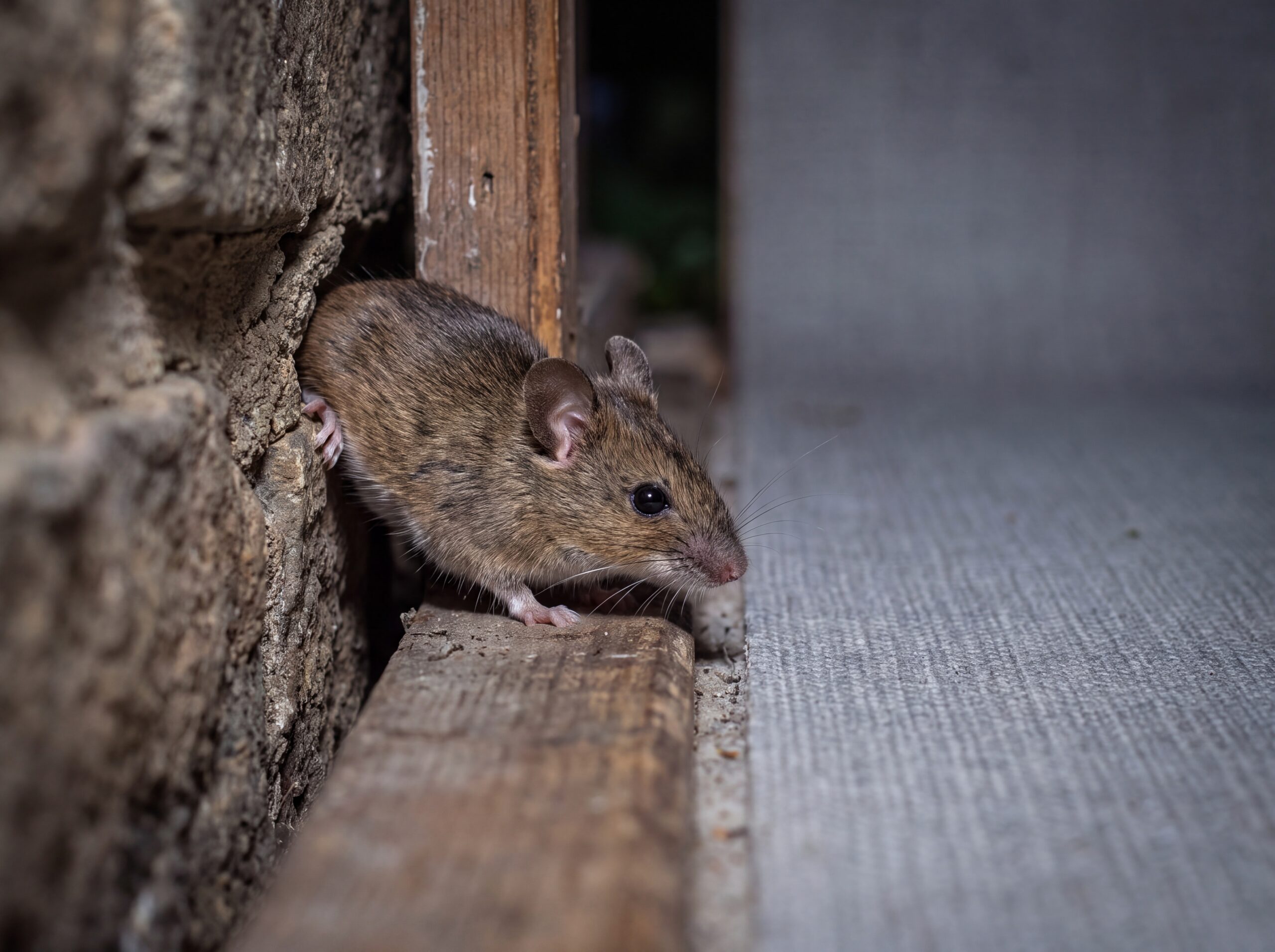
A mouse squeezing through a gap in a foundation wall
Life Cycle & Abilities
House mice and rats typically live up to 5 years and breed prolifically: a single mouse can produce more than 50 offspring a year and can become pregnant again just 24 hours after giving birth. Most rodents can swim (rats can tread water for up to three days), jump, climb, and burrow, and mice can squeeze through openings as small as a dime.
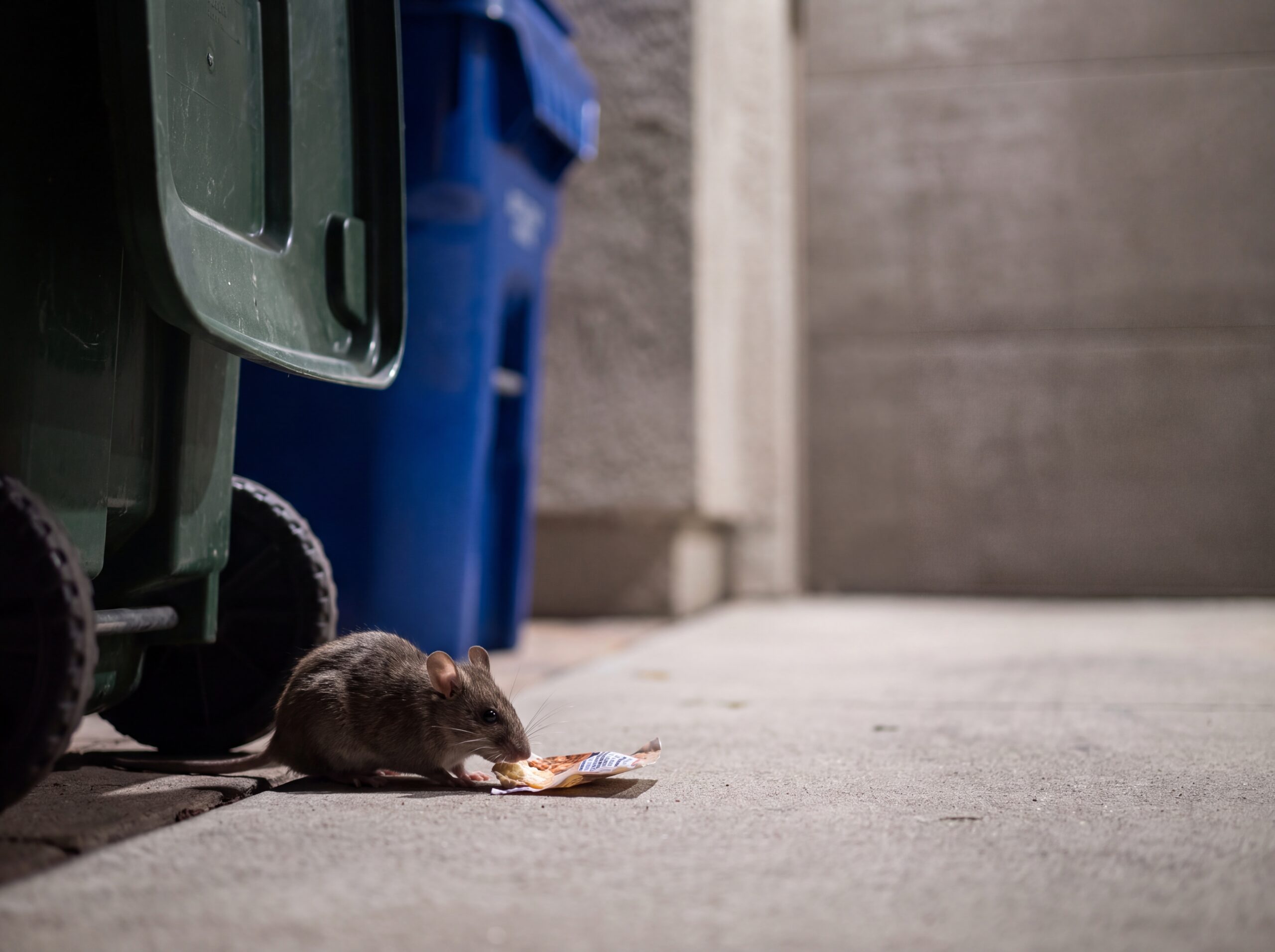
Photo: Habits and Where They're Found
HABITS & WHERE RODENTS ARE FOUND
Rats and mice are generally nocturnal and avoid people, while squirrels are active during the day. Indoors, rodents will eat paper, wiring, drywall, and wood along with food. They nest in wall voids, attics, and cluttered storage, and burrow outdoors in soil, woodpiles, and vegetation, always seeking warmth when temperatures drop.
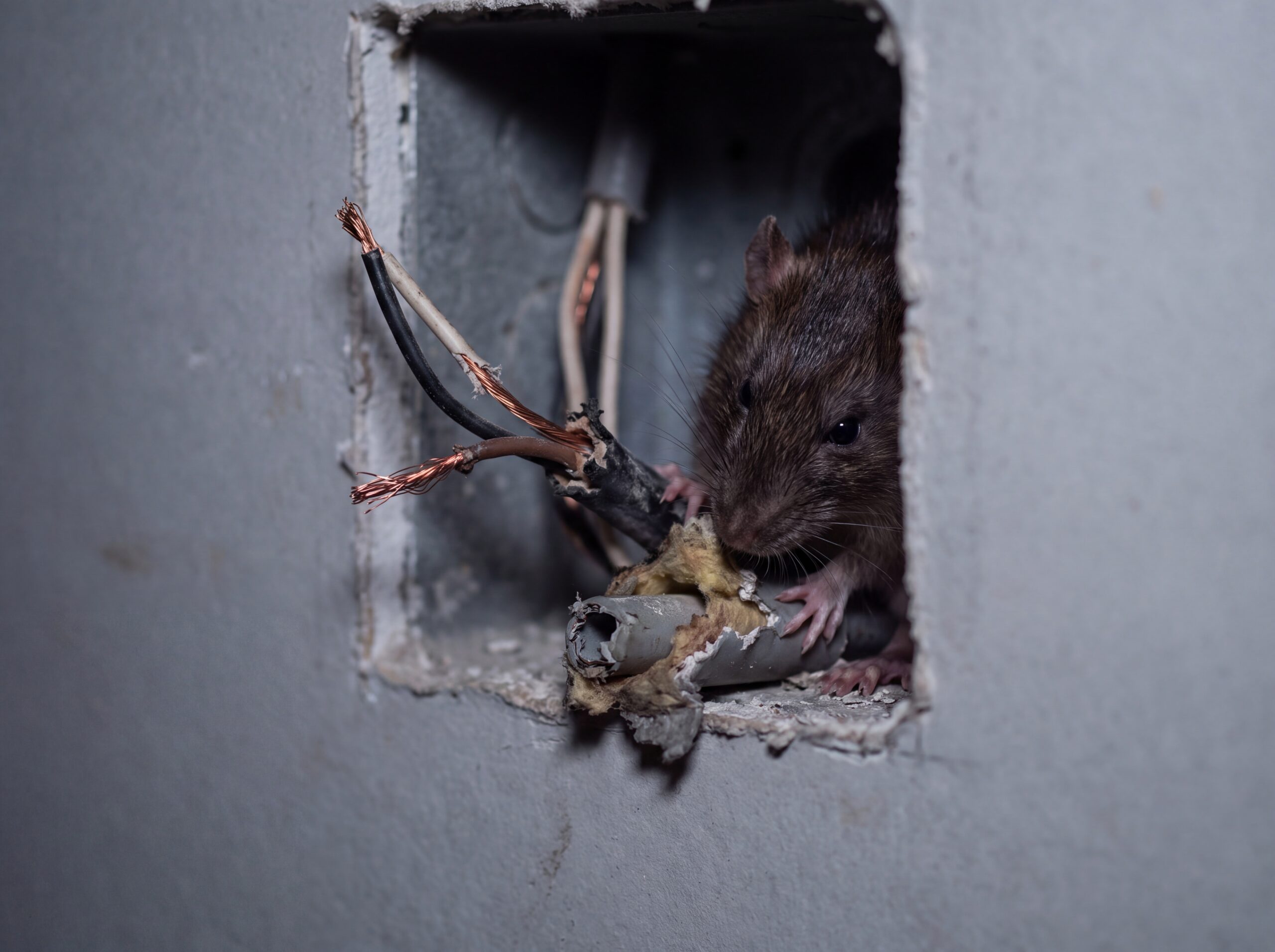
Photo: Why Rodents Are A Risk
Why Rodents Are A Risk
Rats and mice transmit at least 35 diseases, including hantavirus, salmonella, and rat-bite fever. Beyond the health risk, they're destructive to wiring and structural materials, and can bite if provoked.
Signs You May Have Rodents
We do creepy so you don’t have to
Tell Us What You See
WE Take It From There
Mon–Fri 8am–5pm · Sat 8am–12pm · Serving San Diego, Orange County & the Inland Empire