
Pest ID Guide
Cockroaches
Four cockroach species show up most in Southern California homes. Identifying which one tells us where to look.
Identification
Fast-moving insects with flattened bodies. Several species differ in size, color, and where they hide.
Habitat
Warm, humid areas near food and water, though some species prefer cooler, damp spaces like basements.
Why They're A Risk
Contaminate food and surfaces and can trigger allergies and asthma in sensitive individuals.
Signs To Watch For
Droppings, a musty odor, egg cases, and sightings at night in kitchens or bathrooms.
Species We Treat
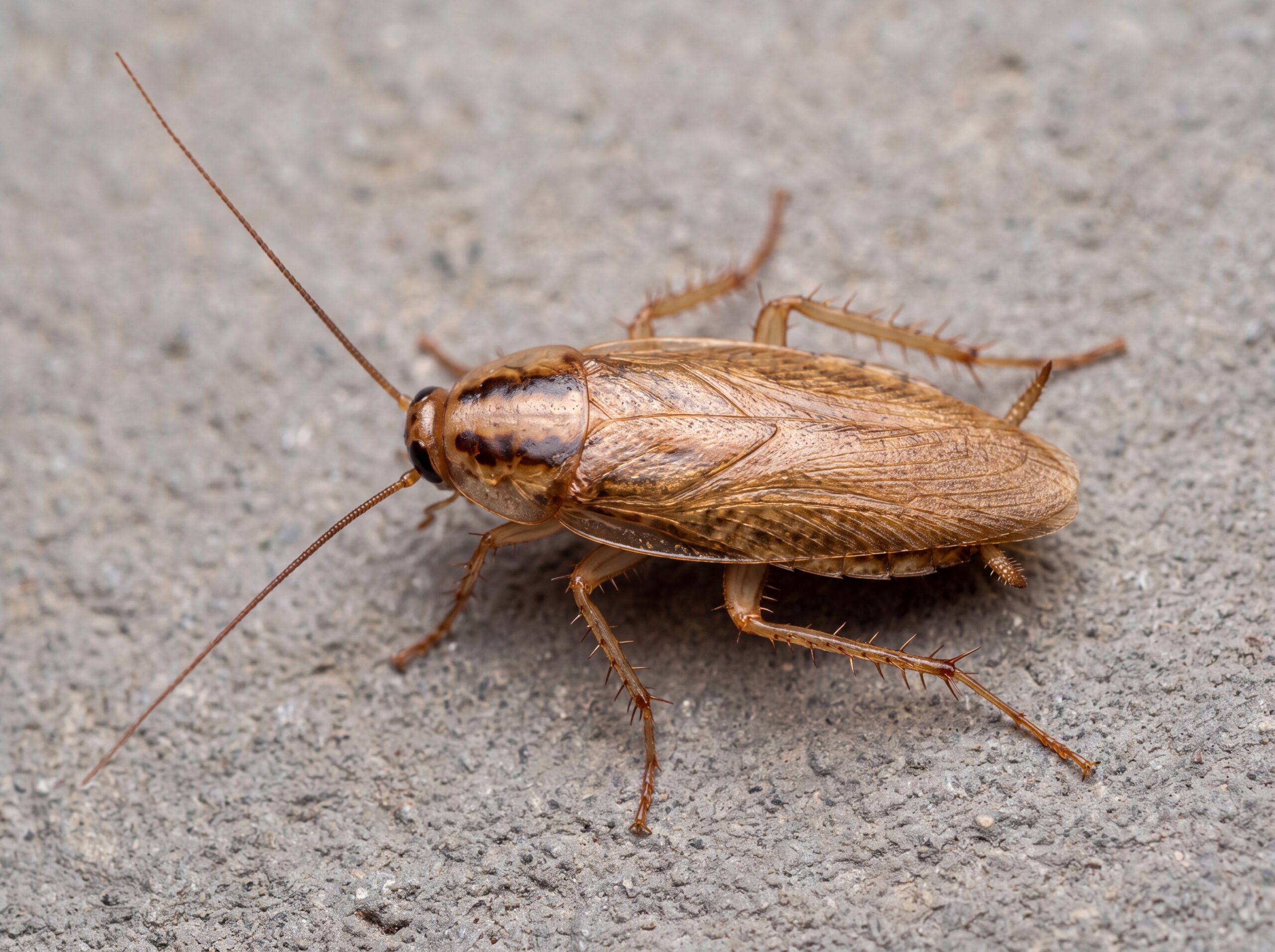
Photo: What Do Cockroaches Look Like?
What Do Cockroaches Look Like?
Cockroaches have oval bodies with a head, thorax, and abdomen, six legs, antennae, and a hard exoskeleton. U.S. species range from 1/2" to 2" long, not counting antennae. Most are shades of brown with species-specific markings: the German cockroach has two dark stripes on its thorax, the brown-banded cockroach has a light band across its wings, and the oriental cockroach's dark, shiny coloring has earned it the nickname "black beetle."
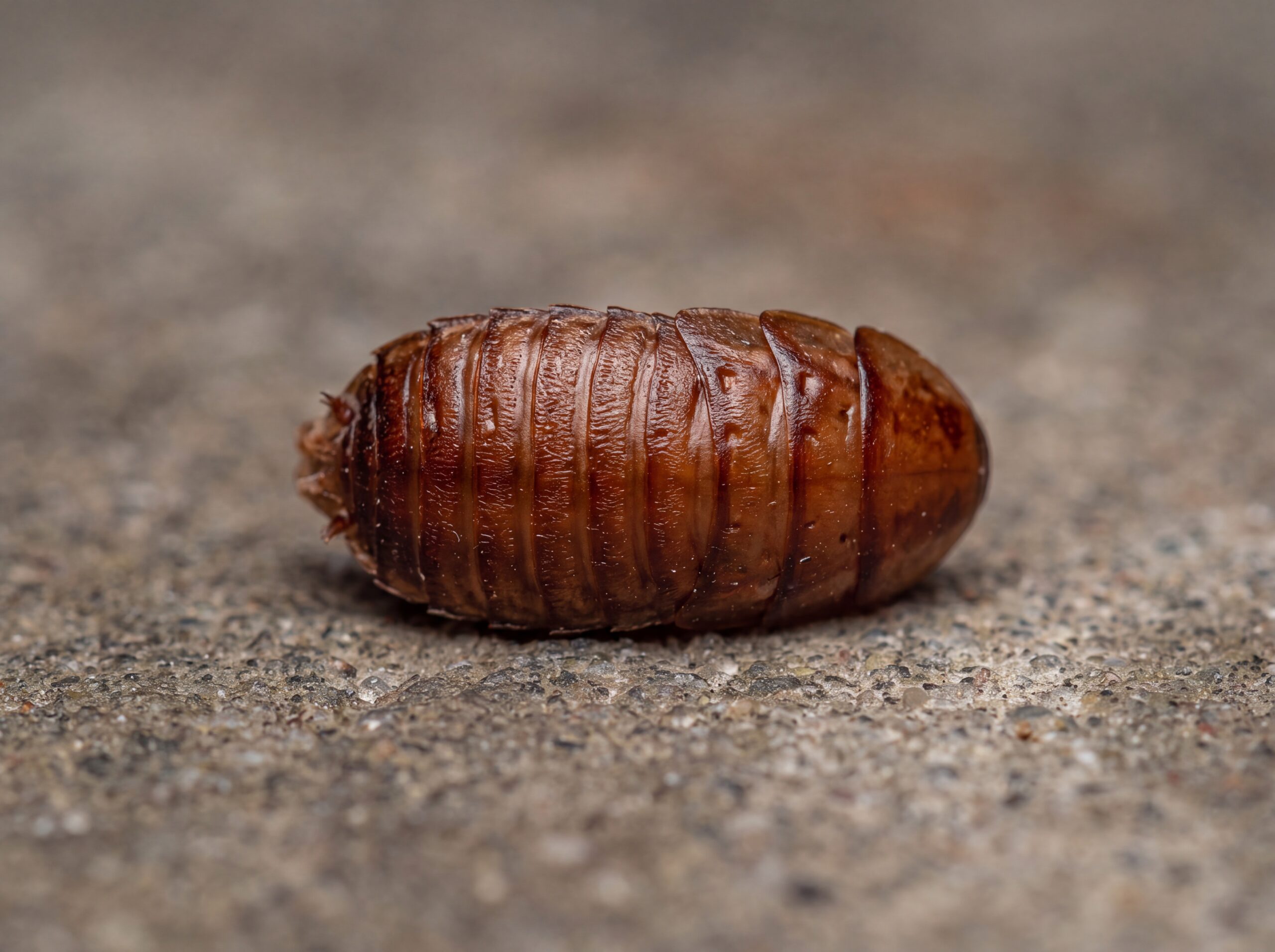
Photo: Life Cycle and Unique Characteristics
Life Cycle & Unique Characteristics
Roaches progress from egg to nymph to adult, molting multiple times as nymphs. Lifespan varies by species from a couple of months to a couple of years. The German cockroach is the most prolific: a single female and her offspring can produce 300,000 roaches in a year. Roaches are hardy: they can run up to 3 mph, survive a month without food, and hold their breath for 40 minutes.
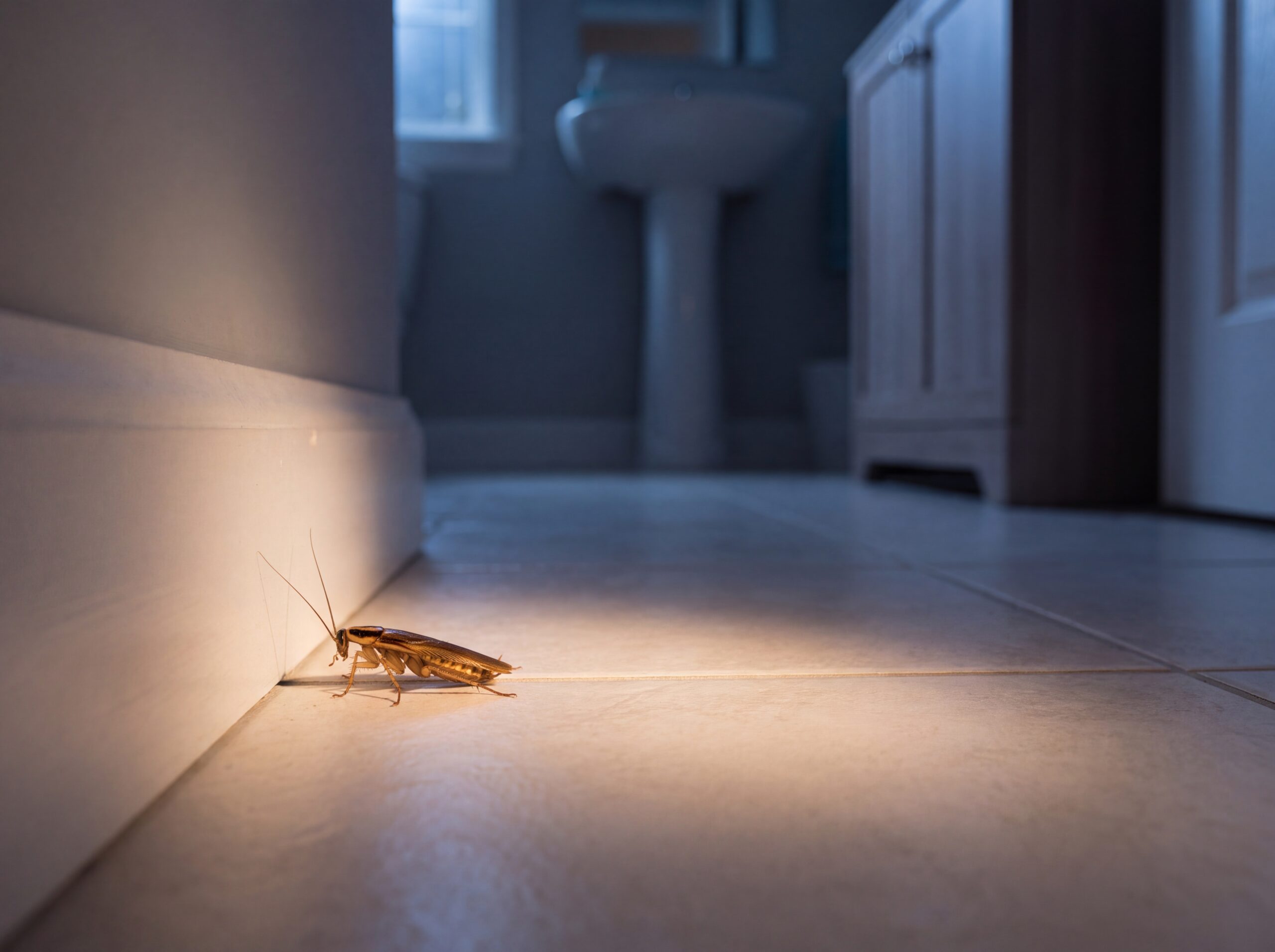
Photo: Habits and Where They're Found
Habits & Where They're Found
Most roaches are nocturnal and hide in cracks and crevices during the day. German cockroaches favor warm, moist spots like kitchens and bathrooms; oriental cockroaches prefer damp, cool areas like basements and crawl spaces; wood cockroaches stay outdoors in woodpiles and leaf litter; and brown-banded cockroaches favor warm, dry hiding spots throughout a room, not just the kitchen.
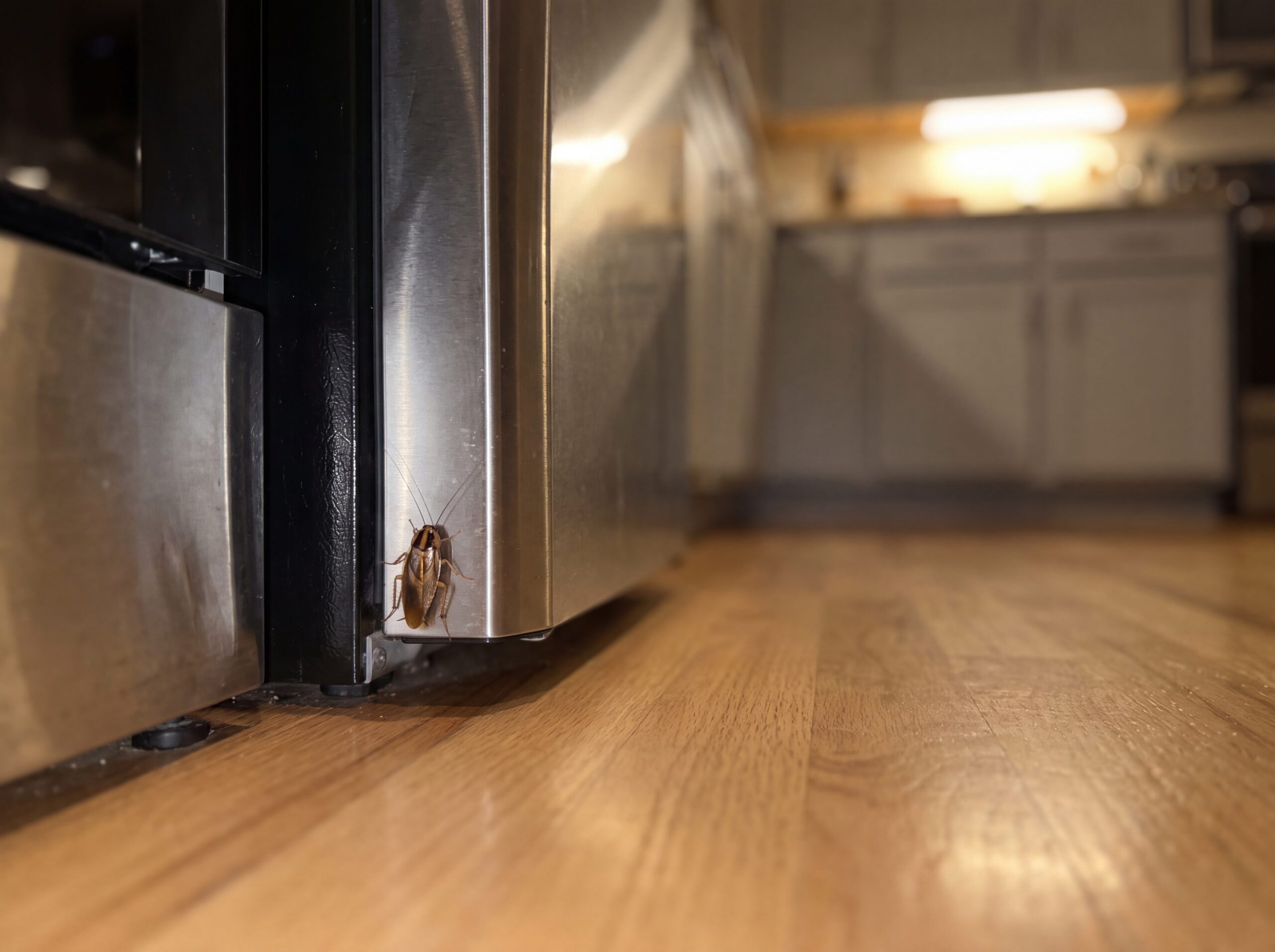
Photo: Why Fleas Are A Risk
Why Cockroaches Are A Risk
Roaches spread more than 30 types of bacteria, including salmonella, by traveling through dirty areas and contaminating food and surfaces. Their presence can trigger asthma attacks and allergic reactions, especially in children.
Signs You May Have Cockroaches
We do creepy so you don’t have to
Tell Us What You See
WE Take It From There
Mon–Fri 8am–5pm · Sat 8am–12pm · Serving San Diego, Orange County & the Inland Empire