
Pest ID Guide
Ants
One of the most common calls we get. Ants follow scent trails to food, and a few scouts can turn into a steady line overnight.
Identification
Several species are common locally, from tiny sugar-loving Argentine ants to larger carpenter ants that damage wood.
Habitat
Nest outdoors in soil, mulch, or wood, and travel indoors along scent trails toward food and water.
Why They're A Risk
Contaminate food and, in the case of carpenter ants, hollow out wood over time. A colony can number in the thousands.
Signs To Watch For
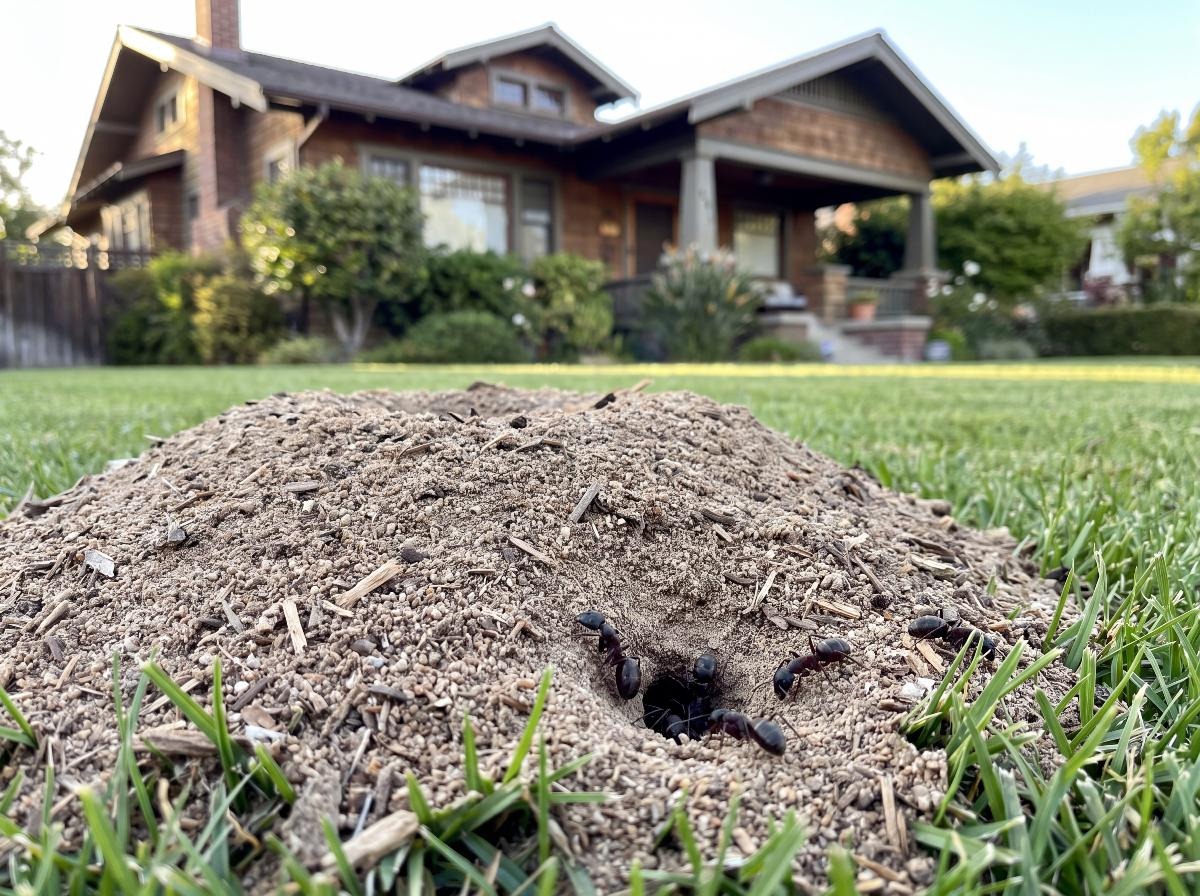
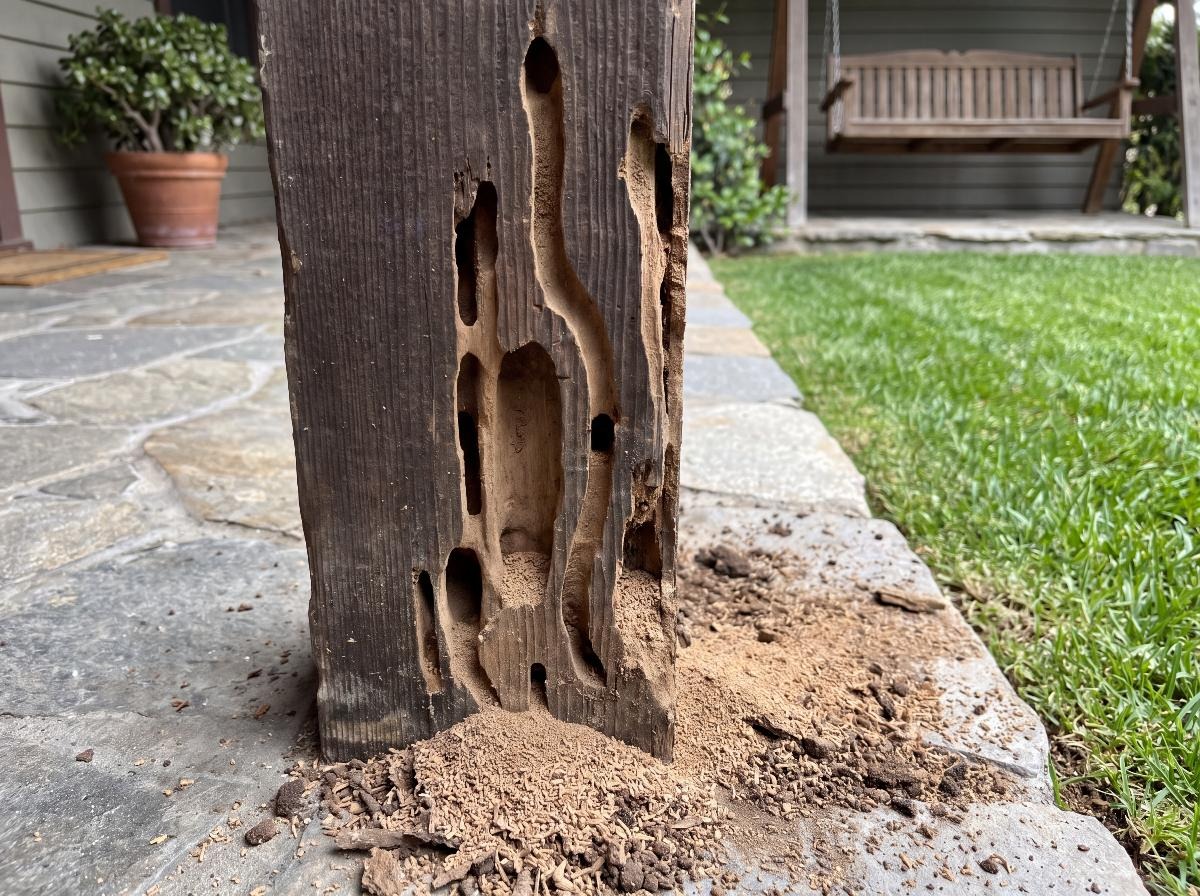
A visible trail moving in one direction, small dirt mounds outdoors, and sawdust-like material near wood (a sign of carpenter ants).
Species We Treat
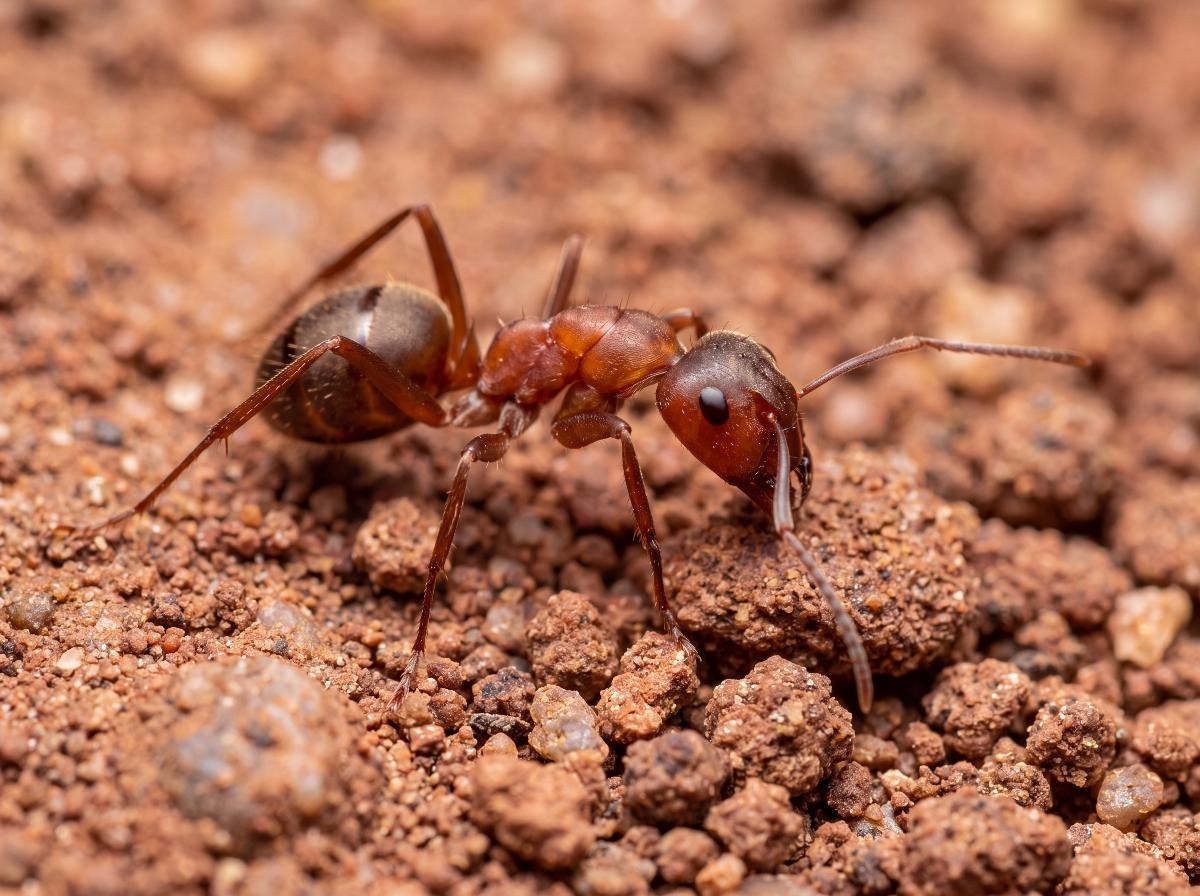
Close-up of an ant foraging on soil
What Do Ants Look Like?
Ants have a distinct three-segment body: head, thorax, and abdomen, joined by a narrow, pinched waist. Most household species range from 1/8 to 1/2 inch long and are black, brown, or reddish-brown. Look closely at the antennae, which bend at an angle (unlike a termite's straight antennae), and the six legs, which are proportionally longer than a termite's.
Ant mound entrance in a residential lawn
Colony Structure & Behavior
Ant colonies are organized around one or more queens, whose only job is laying eggs, along with workers who forage, build, and defend the nest. Workers leave a pheromone trail as they travel, which is why a single ant scouting your kitchen counter can turn into a steady line within hours. Colonies can range from a few hundred to tens of thousands of ants depending on the species.
Wood post damaged by tunneling insects near a home
Habits & Where Ants Are Found
Most species nest outdoors in soil, mulch, under pavement, or inside decaying wood, then travel indoors along scent trails in search of food, water, and shelter. Activity picks up after rain and during hot, dry stretches, when ants move indoors looking for moisture. Kitchens, bathrooms, and areas near plumbing are the most common entry points.
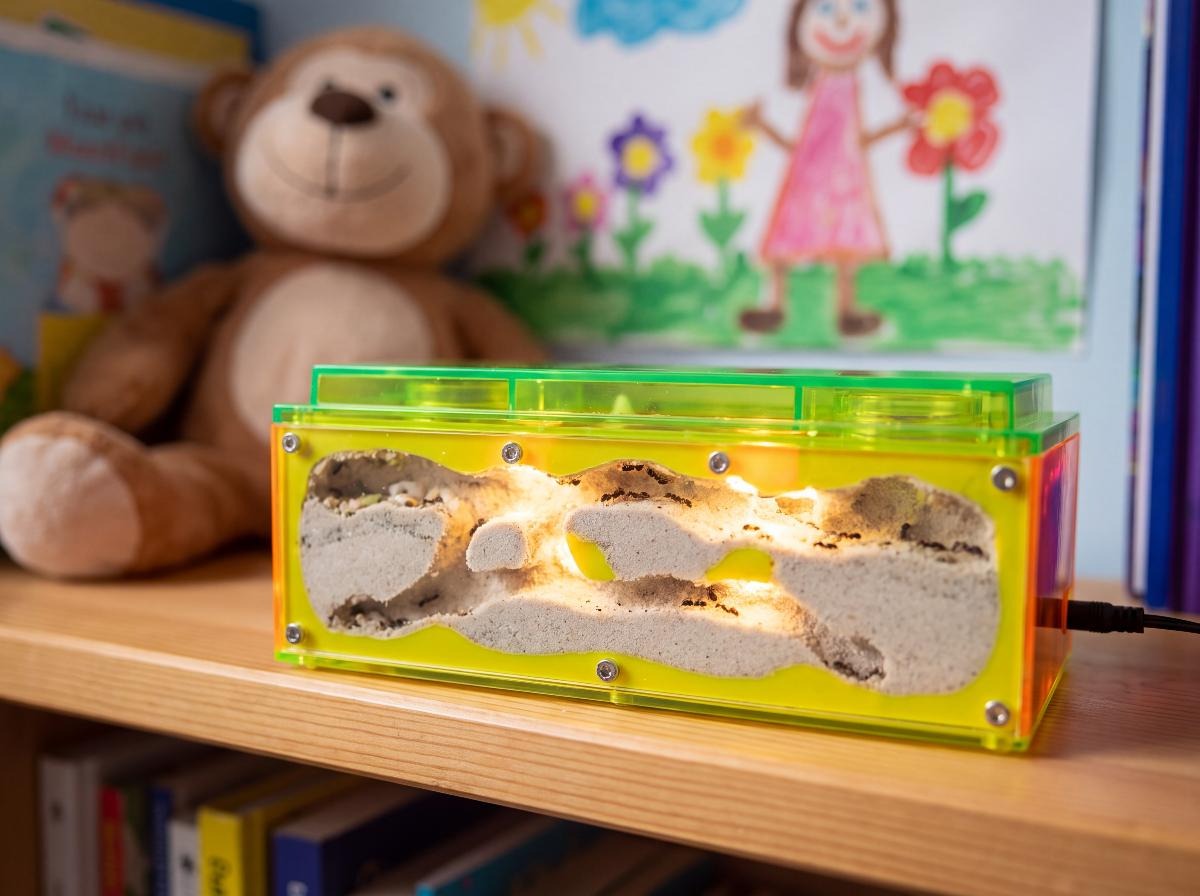
A lit ant farm display on a shelf
Why Ants Are A Risk
Beyond being a nuisance, ants contaminate food and surfaces as they forage. Carpenter ants excavate wood to build their nests, which can weaken framing and trim over time if left untreated. Large outdoor colonies are also difficult to fully clear with store-bought sprays, since killing visible workers does nothing to the nest itself.
Signs You May Have Ants
We do creepy so you don’t have to
Tell Us What You See
WE Take It From There
Mon–Fri 8am–5pm · Sat 8am–12pm · Serving San Diego, Orange County & the Inland Empire