Learning Center » Ticks » Lone Star Ticks

Lone Star Ticks

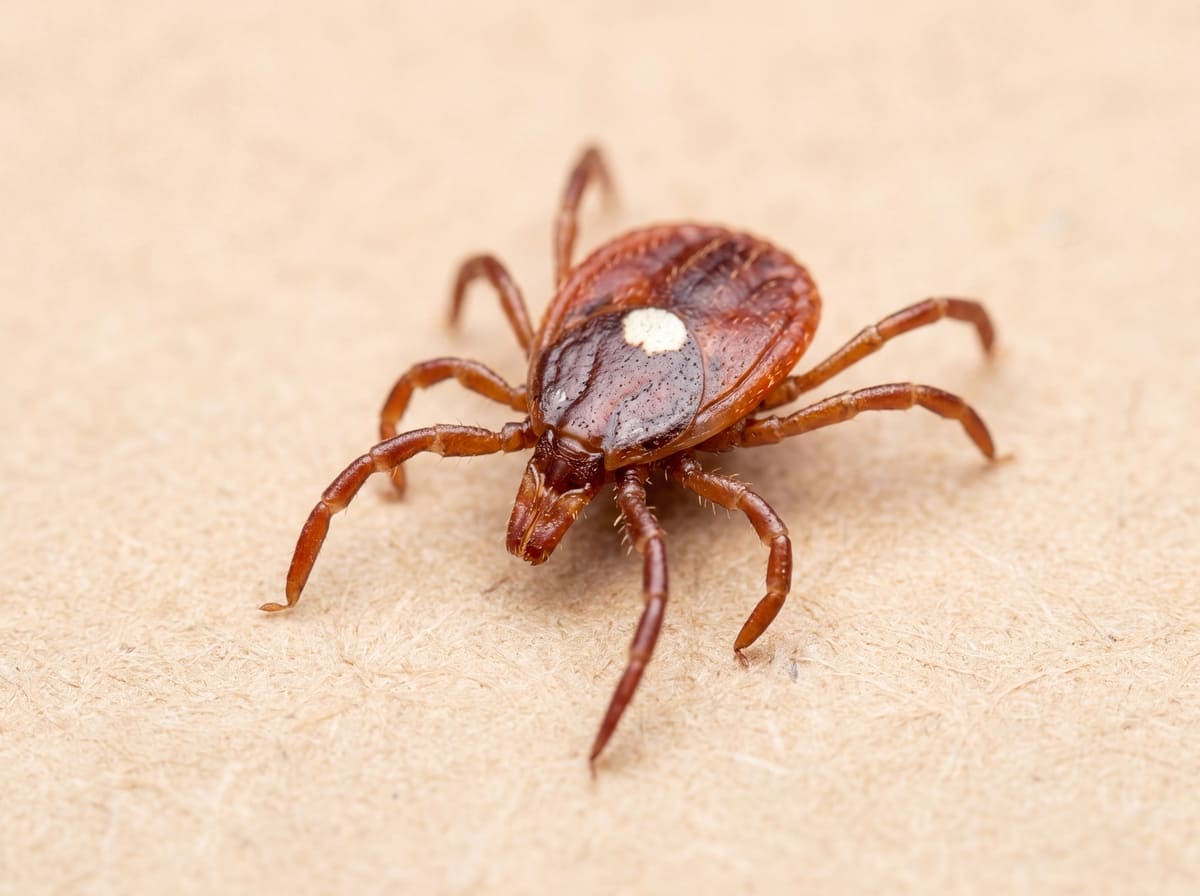
Lone star ticks are found throughout the southeastern and south-central states. They will feed readily on humans, and other animals, including dogs and cats. Although they can transmit Rocky Mountain spotted fever, lone star ticks are not as likely to transmit the disease as American dog ticks. Avoid the risk by contacting our pest control experts.

Size1/8 - 1/4 in.
ColorReddish brown
Body StructureFlat body with eight legs.
CharacteristicsFemale adults when fully gorged with host blood may produce as many as 500,000 eggs, laying them in secluded cracks and crevices. The female coats the eggs in a secretion to keep them from drying out, and then dies after completing this process, which may take as long as 15 days. When the eggs hatch, the larva go in search of food, gorging themselves on a host until molting, upon which they enter the nymph stage. Here again, nymphs will seek a new host, gorging themselves on blood until molting and emerging as an adult.
Habitat & BehaviorIn the wild, these ticks can be found residing on tall grasses or vegetation, where they wait to attach themselves to a passing mammalian host. Initially infestation may go undetected. Like its counterparts, this tick is also a vector pest, capable of transmitting disease.
Commonly ActiveSpring / Summer / Fall
Prevention & TreatmentChecking pets and their sleeping areas for ticks is a good preventative measure. Likewise, if spending time outdoors, spraying your clothes and shoes with a pest repellent containing DEET will help protect you from the parasites. If you suspect an infestation in your home, refrain from do-it-yourself treatments. Contact a pest control professional to inspect your home and implement a proper course of treatment.

Are You Having Issues With Lone Star Ticks?

Get a Free Quote!